The first edition of the Todiebook Salon is currently being prepared; dates and location will be announced soon, and all partners are invited to contact us to join this distinguished endeavor.
The official award ceremony will take place during the next year's edition.
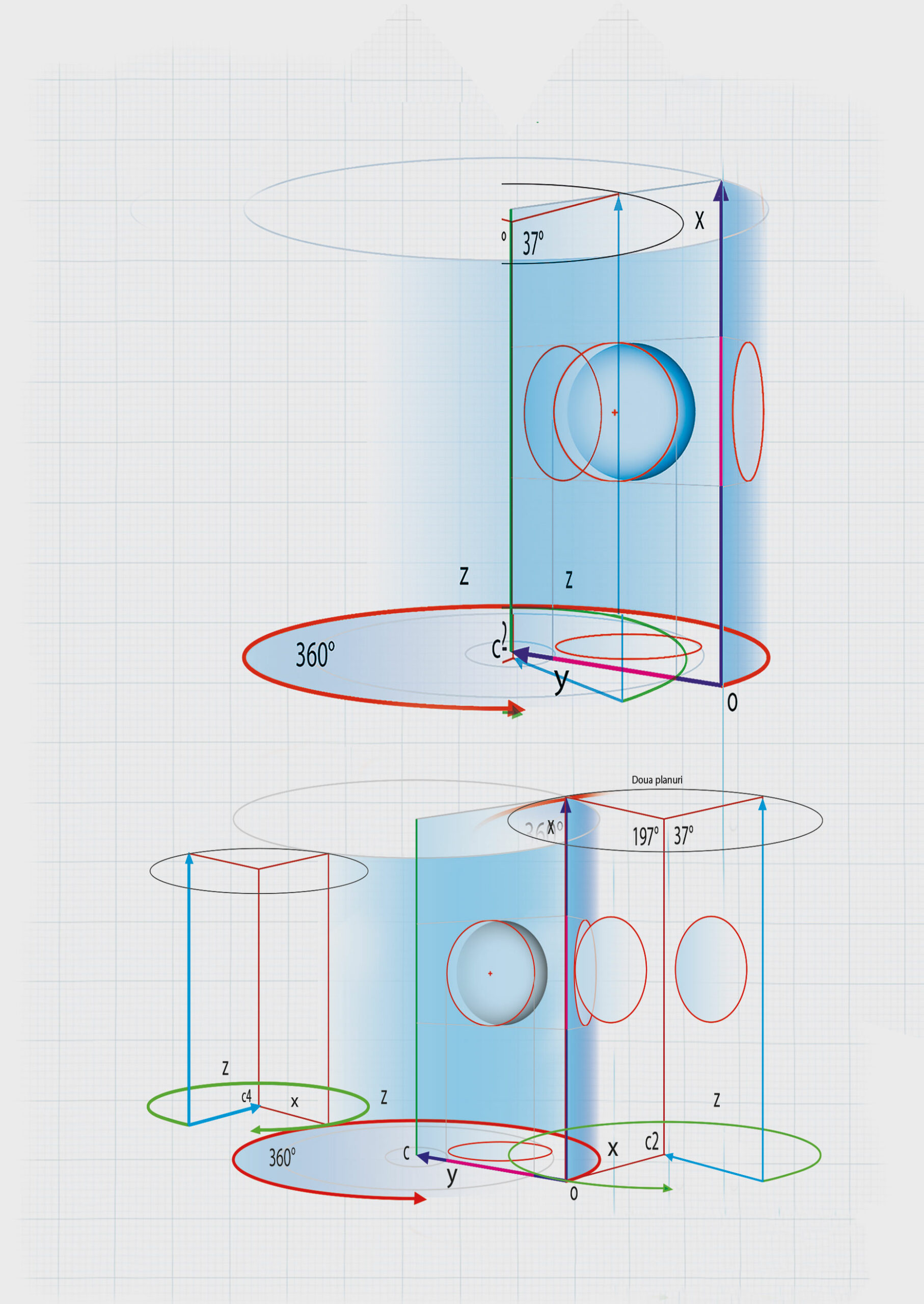

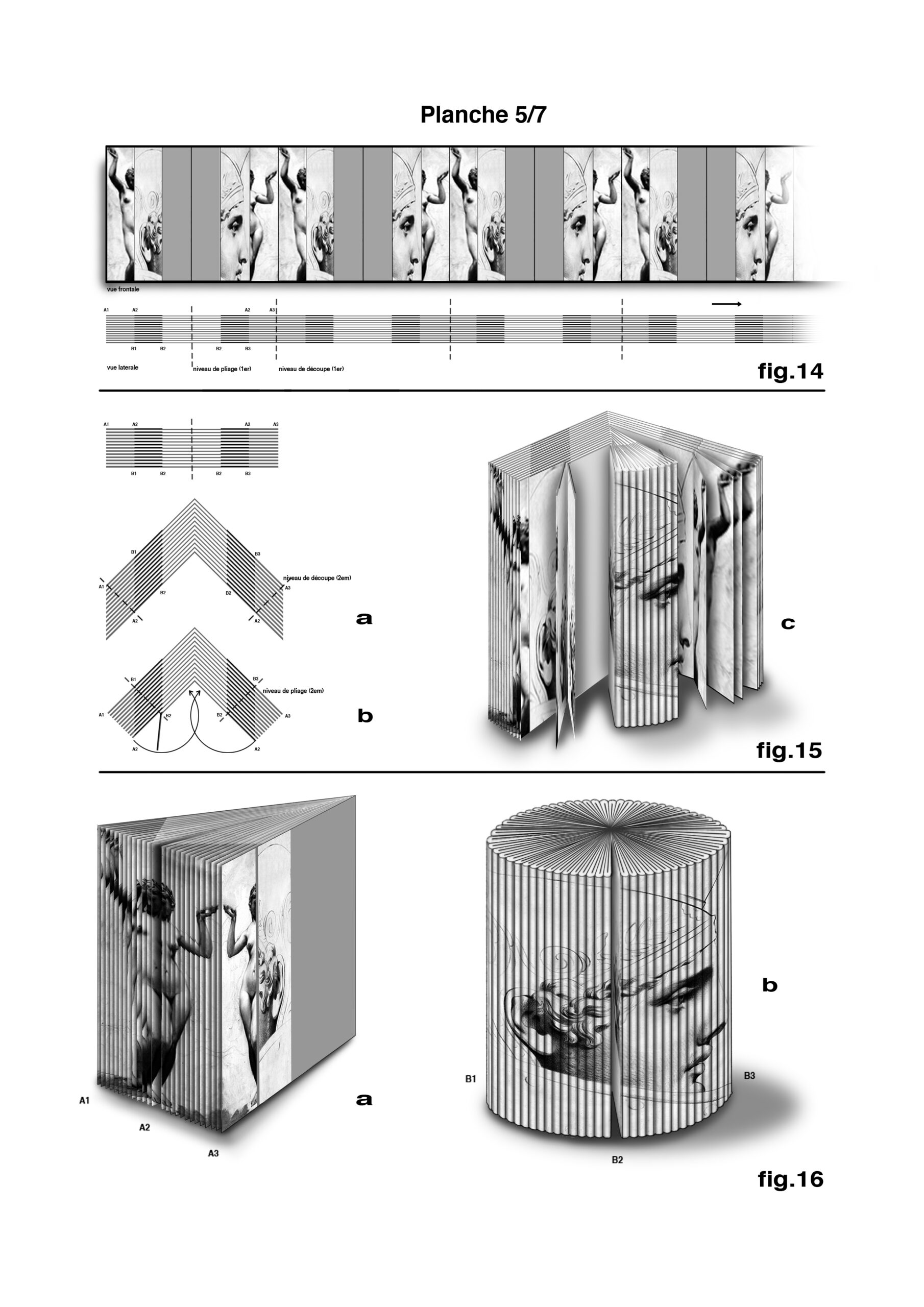
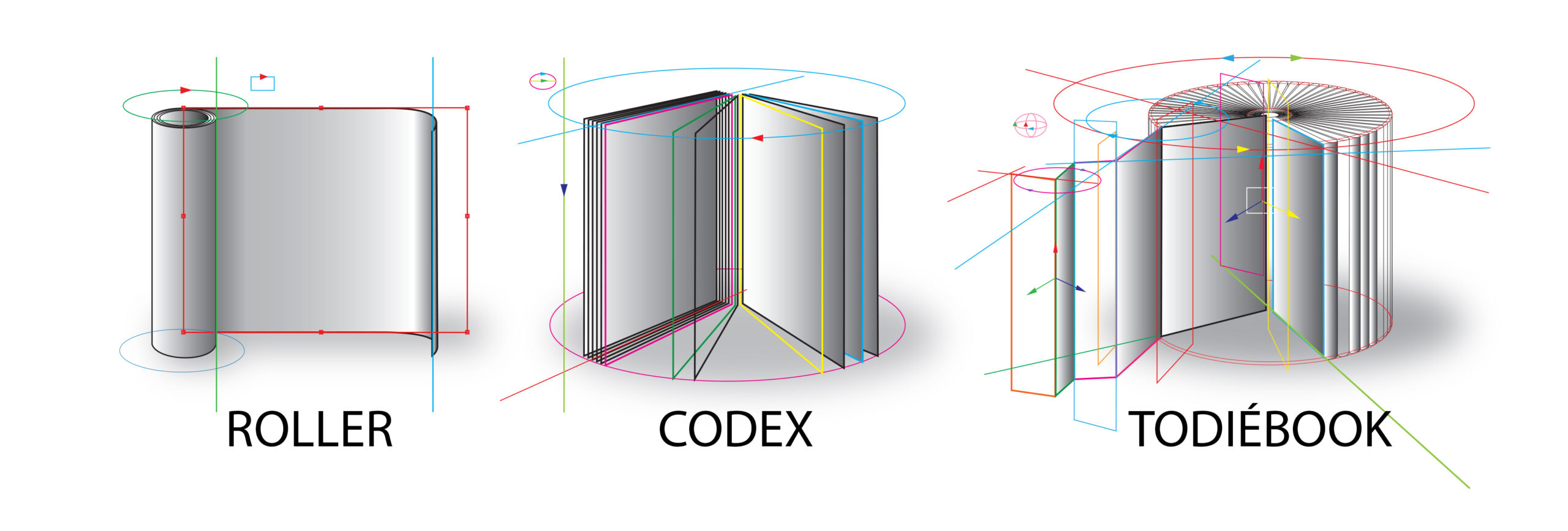
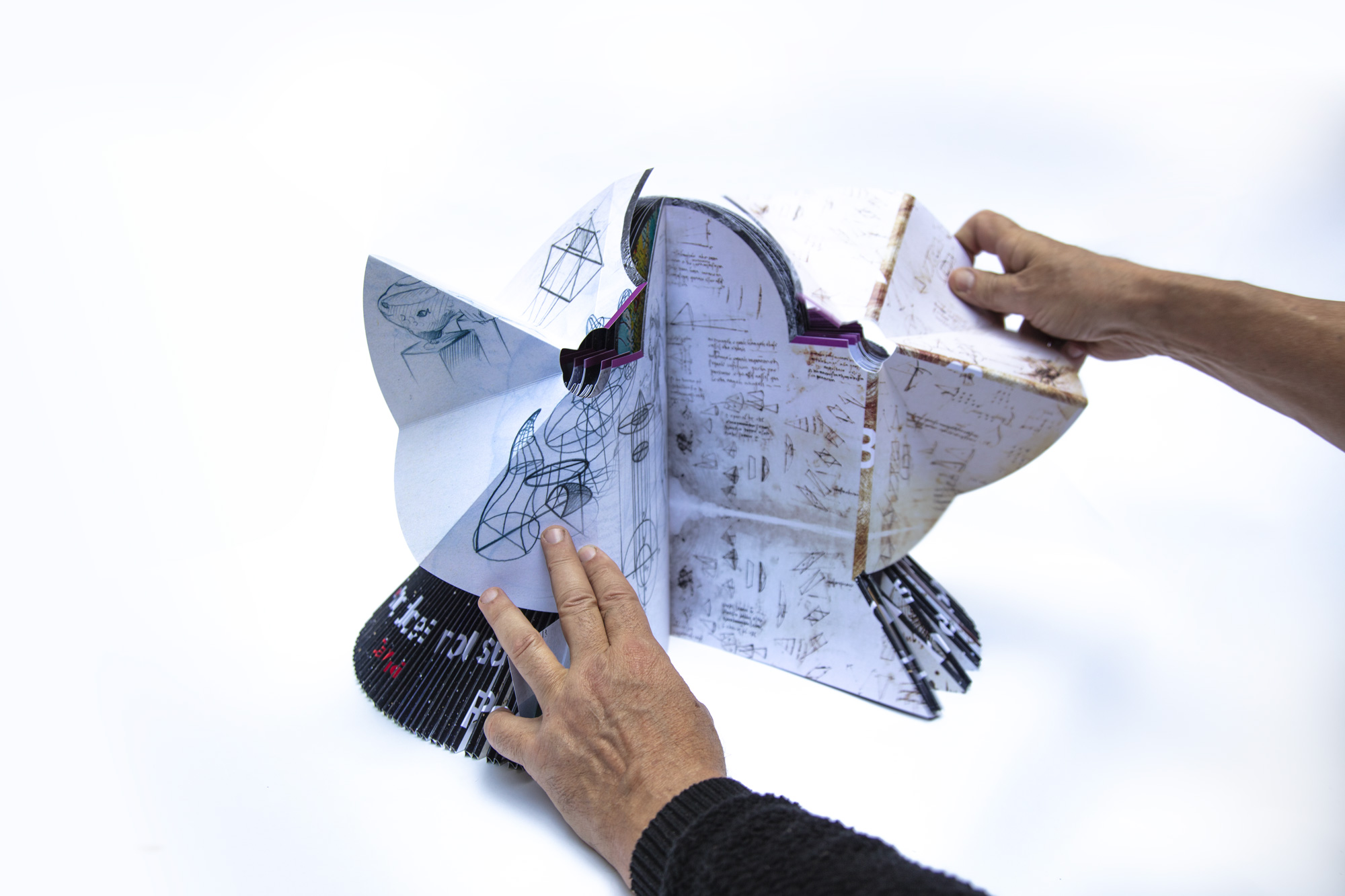
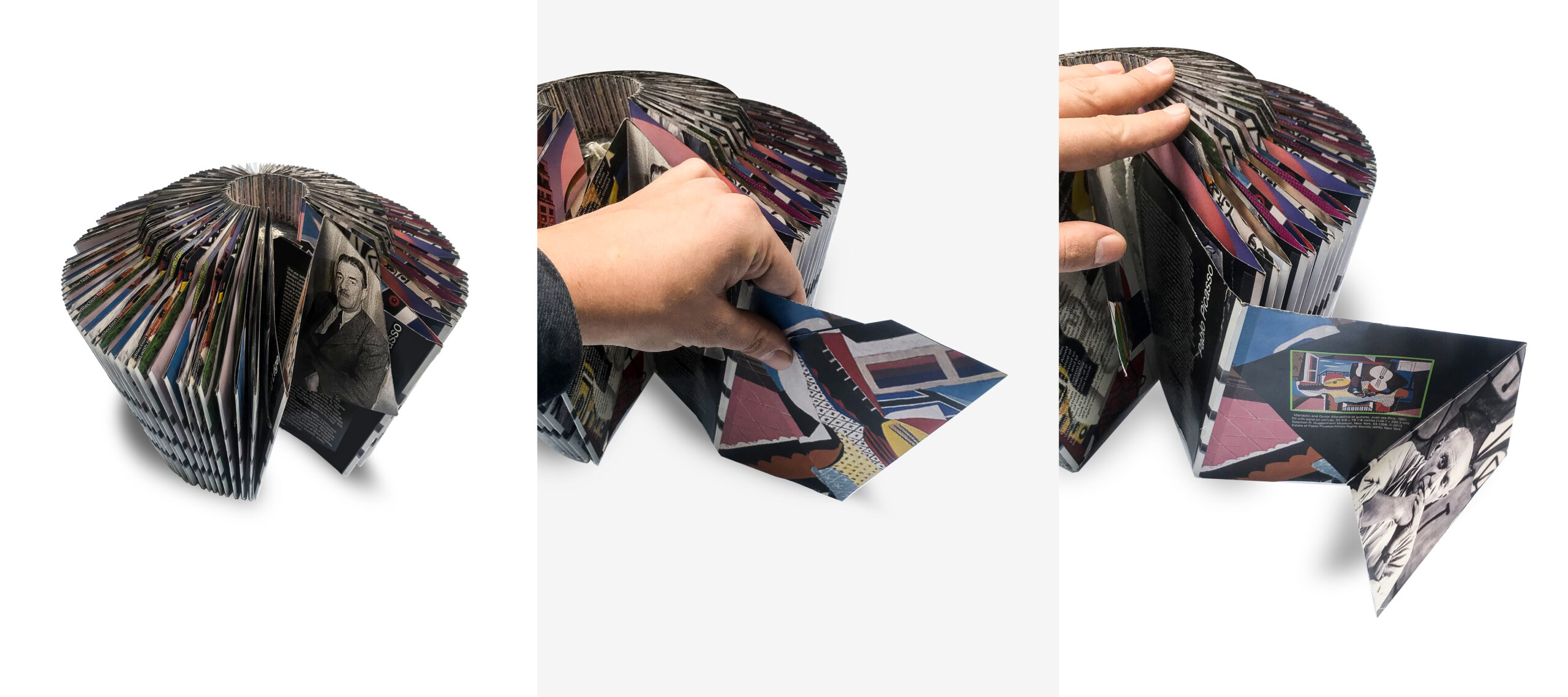
This spatial book, with a quantico-relativistic connotation, is considered from a geometrical point of view, as « the book of the third type », after the plane roll and the volumetric codex.
The Spatial Book: A New Paradigm in Knowledge Transmission
The evolution of the book has progressed from the scroll to the codex, each stage transforming how knowledge is stored and shared. Today, we see the emergence of a new form: the spatial book, characterized by its geometric and dynamic nature. This "book of the third type" transcends traditional formats, offering novel opportunities for knowledge transmission, educational engagement, and creative exploration.


The Todiébook and Leonardo da Vinci: Bridging Past and Future
The Todiébook is an innovative approach to spatial thinking, reflecting Leonardo da Vinci's pioneering ideas. It introduces a multidimensional way of engaging with knowledge, echoing Leonardo's blend of art, science, and engineering.
Packaging
The Todiebook, with its unique design and ability to unfold into three dimensions, opens up significant opportunities in the field of packaging. Its innovative geometric structure allows for a complete rethinking of traditional packaging, offering an experience that is both interactive and visually captivating. This format, which can unfold and fold without linear constraints, is particularly suited for immersive branding campaigns, where packaging becomes a narrative medium in itself.
It would allow brands to provide unprecedented sensory experiences, encouraging consumers to engage with the product from the first contact. The use of the Todiébook in packaging could transform the way products are perceived and presented, making each box or wrapper a work of art capable of telling a story and enhancing the brand image beyond merely protecting the content.
These opportunities are particularly compelling for sectors like luxury goods, cultural products, and artistic collaborations, where packaging plays a crucial role in the consumer experience and the purchasing decision.

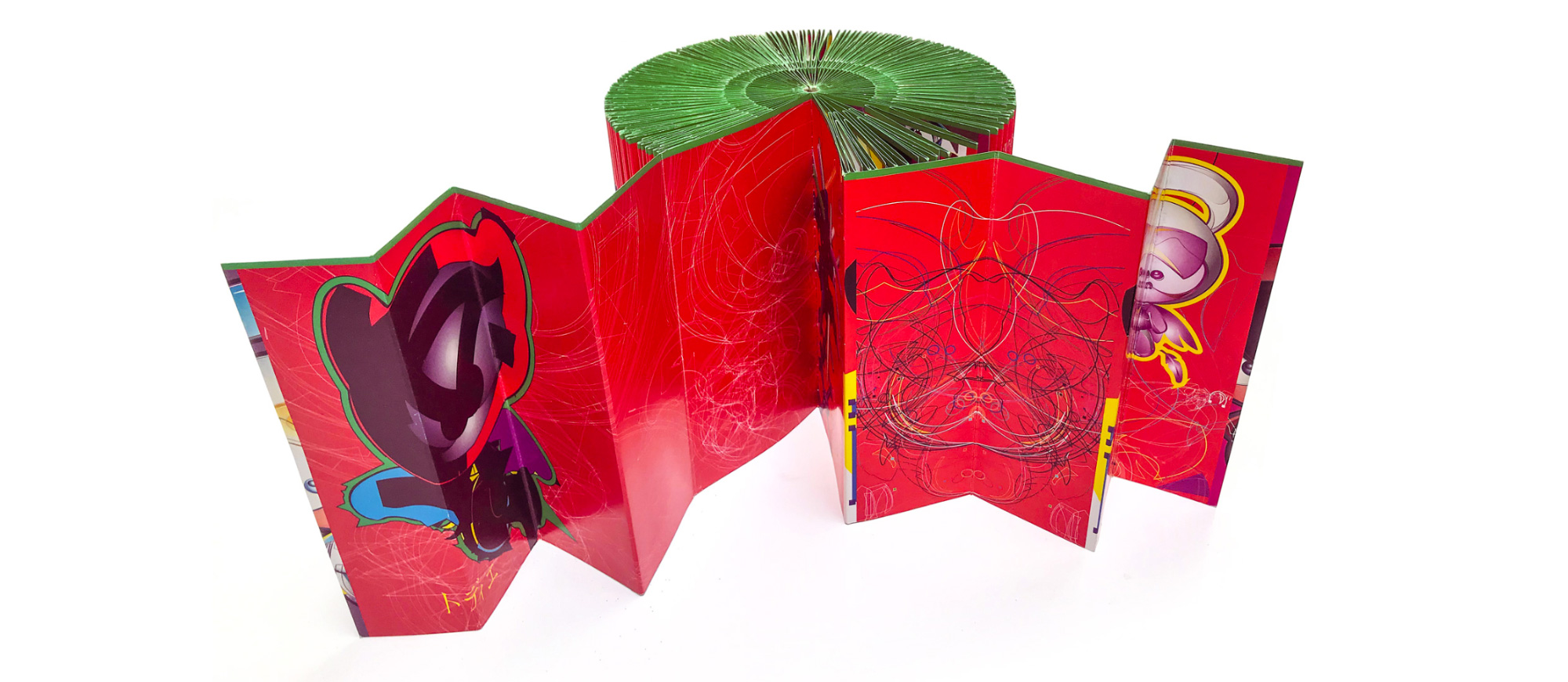
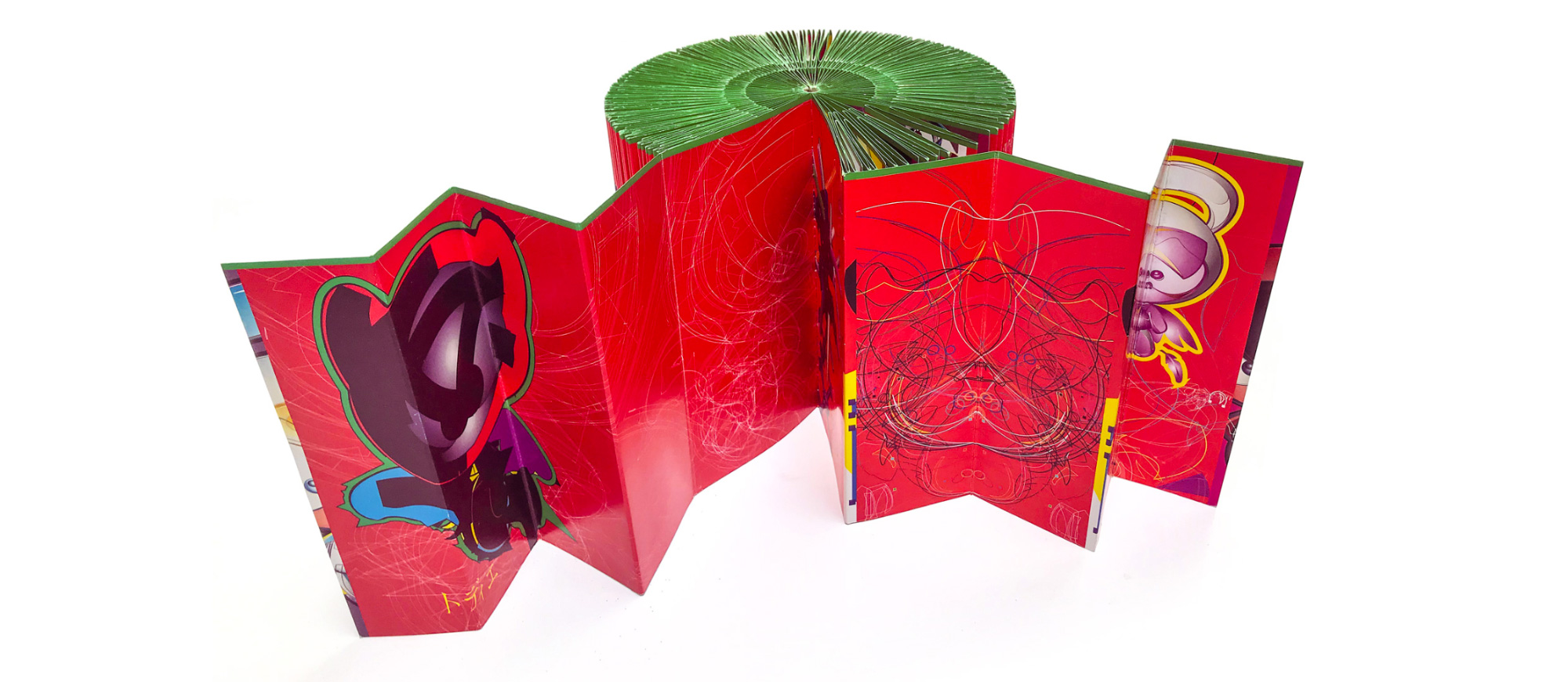
The Todiébook could also be adopted as an innovative platform for collaborative games, where each player is responsible for a portion of the book, or where progression depends on collective coordination to unfold and interpret segments. Each section could thus be designed as a puzzle or a stage requiring cooperation, developing a level of complexity where communication and collective strategy become crucial.
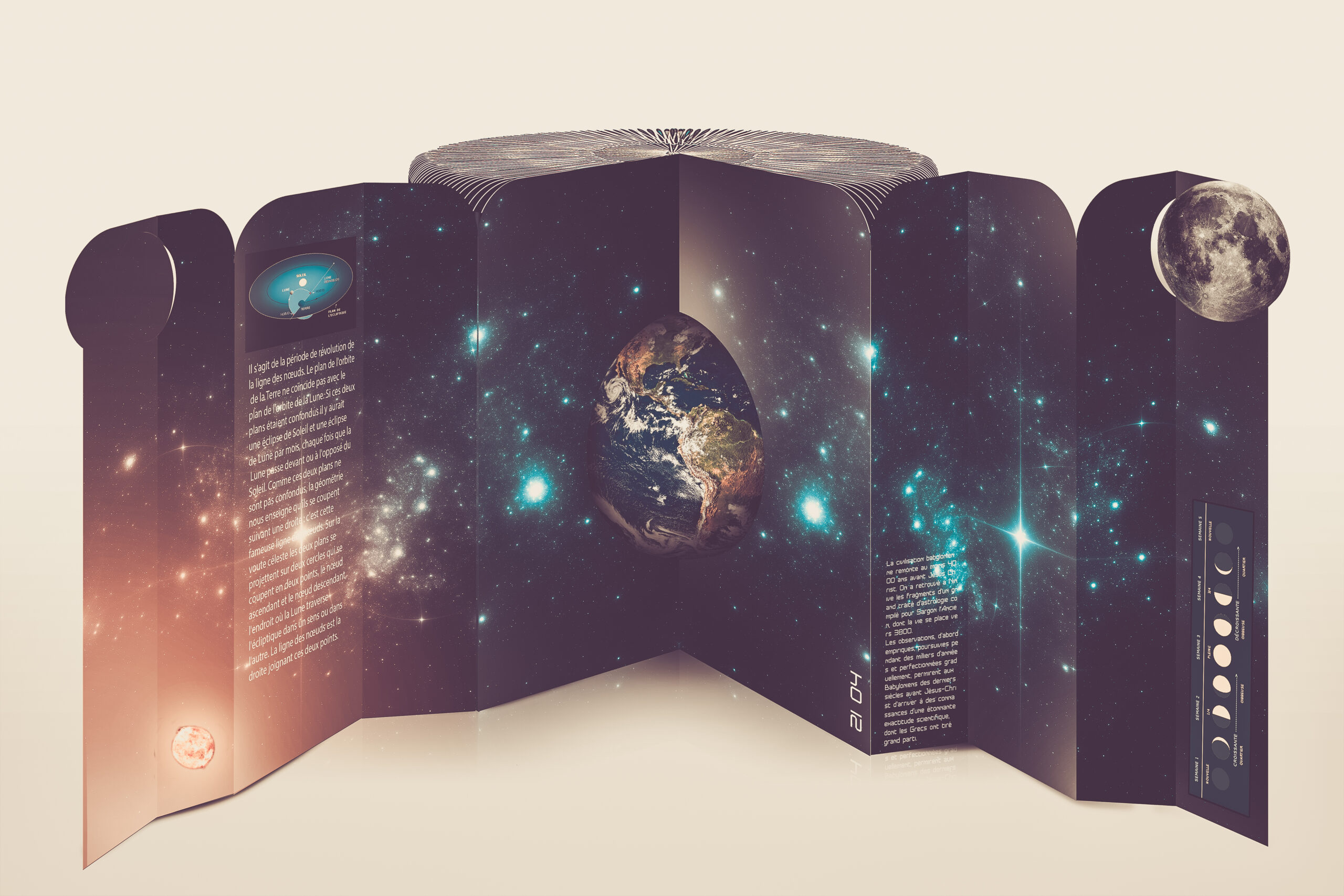
The education sector is evolving rapidly, with new technologies reshaping traditional approaches. Among these innovations, the Todiébook, invented by Cristian Todié, stands out as a tool capable of transforming learning by introducing interactive possibilities.
A Multi-Dimensional Learning Experience
The Todiébook reimagines a book as a non-linear, three-dimensional object. This flexible approach encourages a deeper understanding of subjects by allowing students to explore content spatially. Each segment can represent different concepts, helping learners make connections not easily visualized in traditional formats.
Imagine a history lesson where the Todiébook unfolds to reveal different epochs, enabling students to explore timelines hands-on. This enhances comprehension and fosters engagement.
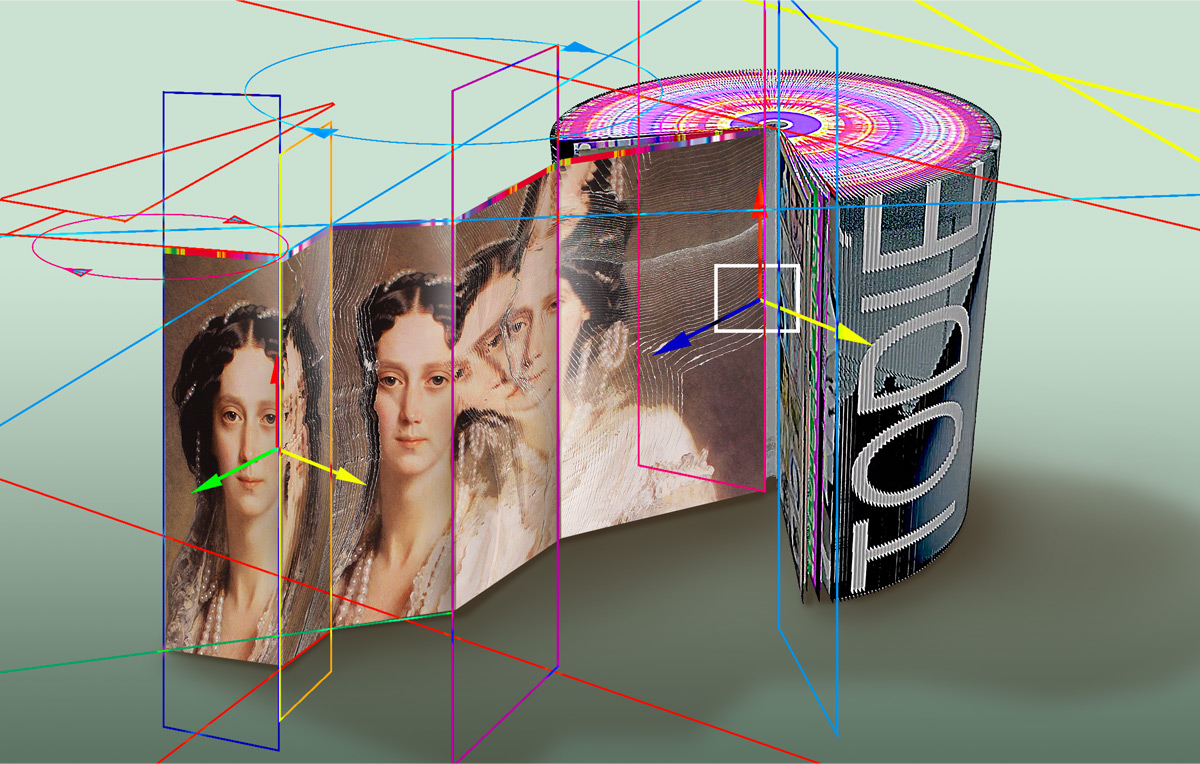
Despite the positive reactions and the unanimous approval ratings of the Todiébook's originality, any new product can provoke resistance, including those with steadfast devotion to the Codex, a medium of the past.
After the invention of the scroll and the technological development of the Codex, the quantico-relativist Todiébook is set to be recognized as the third book medium in the history of humanity.
It is through exhibitions, debates, conferences and publishing that the Todiébook will take its place in the publishing world.
We would be happy to study all presentation and promotional projects for the Todiébook.
Provide us with your contact information to remain informed of future projects.
Co-publishing can be a solution for those publishers who only wish to develop part of the Todiébook, either editorially speaking or for technical reasons.
We are open to finding any publishing solutions to fit your needs.